Long Island homeowners are upgrading to coastal impact windows at a faster rate than ever, and for good reason. Between nor’easters, tropical storm remnants, and the daily grind of salt air and humidity on standard window systems, the case for impact-rated windows on the Island is stronger than it has ever been. They deliver storm protection, energy savings, noise reduction, and better home security in a single upgrade.
What Coastal Impact Windows Actually Are
Coastal impact windows look like standard replacement windows from the outside, but the construction is fundamentally different. The glass is laminated, typically multiple panes bonded with a clear interlayer that holds the glass together if it cracks under impact. Instead of shattering into the home, the broken glass stays in place within the frame.
The frames themselves are reinforced to handle high wind pressure loads, and the entire system is tested against strict performance standards including projectile impact and repeated pressure cycling that simulates hurricane conditions. Many coastal impact products carry certification under established impact and hurricane-zone approval programs, giving homeowners documented proof of performance rather than just a manufacturer’s claim.
Why Long Island Homes Are Especially Vulnerable
Proximity to the water is the defining factor. South Shore communities, bayfront neighborhoods, and any home within a few miles of the coastline face constant exposure to salt air, high humidity, and powerful coastal winds that accelerate corrosion and wear on standard window systems far faster than inland locations.
When tropical systems or nor’easters push through, those same homes are in the direct path of wind-borne debris, storm surge-driven rain, and sustained wind pressures that standard windows are not built to handle. Local building guidance consistently identifies windows and exterior siding as the first line of defense in maintaining a home’s envelope during a storm event. When a window fails under pressure, interior air pressure spikes, and that pressure spike can cause serious structural damage well beyond the window opening itself.
Impact-rated windows are strongly recommended across Nassau and Suffolk County’s exposed coastal zones for exactly that reason.
Key Benefits Beyond Storm Season
Impact windows earn their cost well outside of hurricane season. The benefits stack up across all four of Long Island’s seasons:
- Storm and debris resistance: Laminated glass and reinforced frames keep the building envelope intact under high winds and flying debris, reducing the risk of interior damage during major storms
- Improved home security: The same construction that stops debris also makes forced entry significantly harder, a meaningful consideration across Long Island’s diverse mix of neighborhoods
- Noise reduction: Multi-layer glass cuts down on traffic noise, aircraft flyover, and wave and wind noise that are part of daily life in many Long Island corridors
- UV and fade protection: Coatings built into many coastal impact products block a substantial share of UV rays that fade flooring, furniture, and window treatments over time
- Energy efficiency: Insulated low-E glass with argon gas fills improves thermal performance across both heating and cooling seasons, which adds up on Long Island’s energy bills year-round
- Insurance savings: Many insurers offer premium reductions for homes with impact-rated windows as part of documented hurricane mitigation upgrades, partially offsetting the upfront investment
Styles That Work for Long Island Architecture
Long Island’s housing stock is one of the most varied in the region, from postwar capes and colonials in Nassau County to hi-ranches, contemporary builds, and luxury waterfront properties along the Sound and South Shore. Coastal impact windows are available in styles that fit all of it:
Casement windows use crank-out operation and tight seals that perform exceptionally well against wind and rain while still providing strong ventilation on calmer days.
Awning windows are hinged at the top and can be left slightly open during light rain without taking in water, making them a practical choice for kitchens and bathrooms.
Double-hung windows preserve the classic look of older Long Island homes while bringing modern impact glass and energy performance to the upgrade.
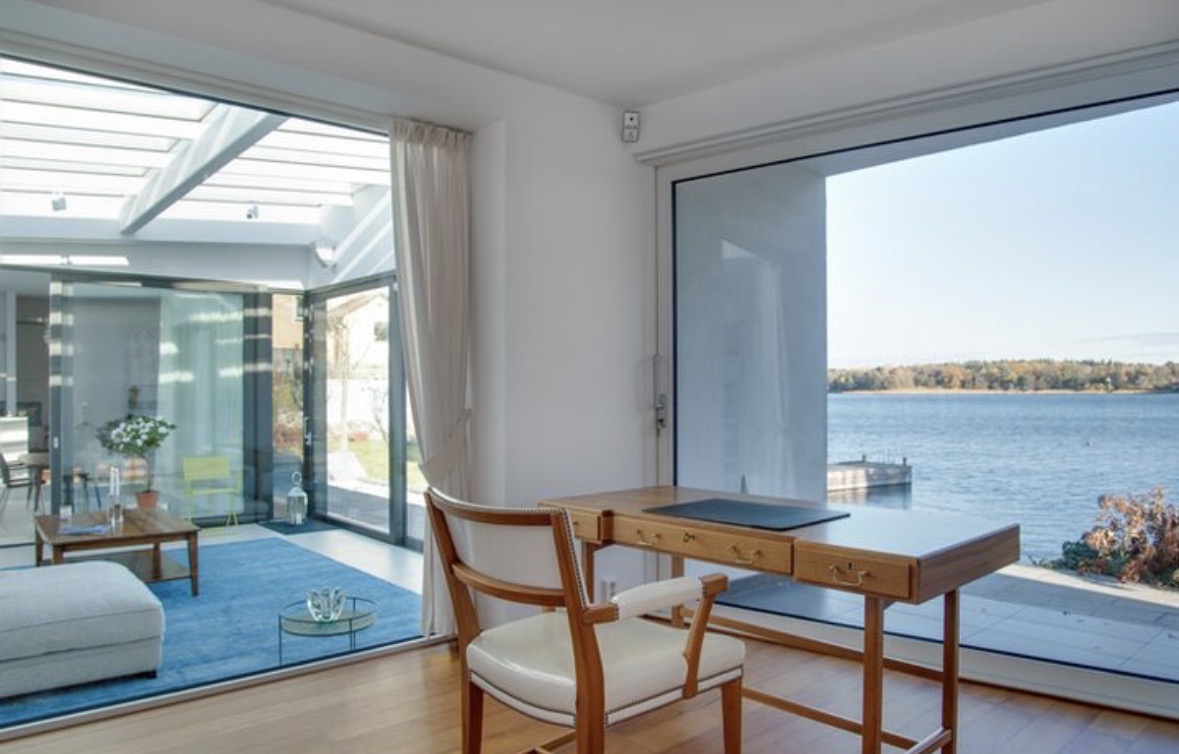
Picture windows are fixed panes with no moving parts, minimizing air infiltration while maximizing ocean or bay views in rooms where the water is the point.
Sliding windows offer a clean, low-profile option for wide openings and modern waterfront designs where a traditional sash profile would feel out of place.
Frame materials for coastal applications are typically vinyl, fiberglass, or composite, selected specifically for their resistance to rot, corrosion, and UV degradation in salt-air environments. Quality coastal product lines use UV-resistant finishes and marine-grade hardware throughout.
Code Requirements and Performance Standards
Window replacements on Long Island require permits and inspections, and properties in higher wind exposure categories face stricter requirements. Impact windows installed in these zones must meet or exceed specified pressure ratings and pass testing under national impact standards including ASTM E1886 and E1996.
Coastal impact product lines are engineered to perform in high-velocity wind zones comparable to major hurricane regions, combining impact resistance with rigorous air, water, and structural performance criteria. Working with a contractor who knows Nassau and Suffolk County building departments and local code requirements is essential to getting the right glass, frame, and anchoring system specified for your property’s specific exposure zone.
Cost, Value, and Finding the Right Installer
Coastal impact windows cost more upfront than standard replacement windows, but they consolidate storm protection, security, sound control, and energy savings into one project rather than addressing each problem separately. On Long Island, total investment varies by window count, size, style, and whether any structural modifications are needed at individual openings.
The Long Island window market is mature enough that homeowners have real choices, from national brands with dedicated coastal impact lines to local specialists focused specifically on impact window and door installations for Nassau and Suffolk County properties. When evaluating installers, prioritize coastal experience, product certifications, warranty terms, and a verifiable track record of impact window projects in your area over price alone.