
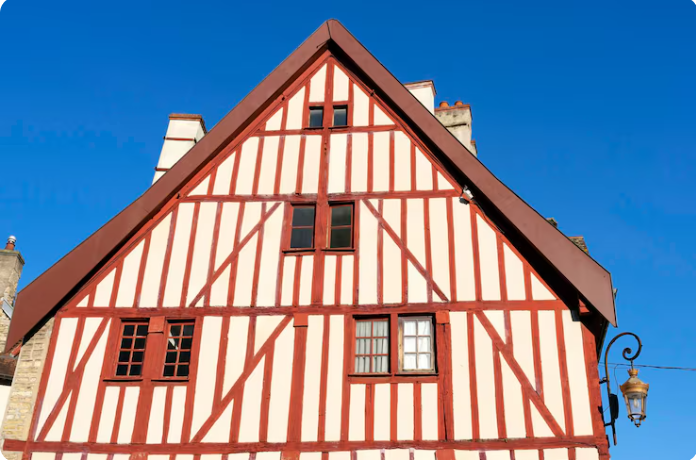
Historic architectural styles rely on authentic materials to maintain their visual character, structural integrity, and period accuracy. Among traditional building components, natural wood roof coverings stand out for their rich texture, natural insulation properties, and timeless aesthetic appeal. Cedar shakes, crafted by splitting cedar logs along the natural grain, have sheltered structures for centuries, offering distinct dimension and character that modern synthetic alternatives rarely replicate fully. For restoration enthusiasts, historical preservation boards, and owners of vintage properties, understanding the history, material characteristics, and maintenance requirements of wood roofing is essential to preserving architectural heritage.
Evaluating cedar shake roofing involves analyzing its historical context, structural performance, fire safety considerations, and ongoing preservation strategies to ensure historical properties remain structurally sound and period-authentic.
Historical Significance of Wood Shake Roofing
Before the industrial manufacturing of asphalt shingles and synthetic membranes, North American builders relied on locally harvested timber to construct durable building envelopes. Eastern White Pine, Cypress, and Western Red Cedar were favored for their natural straight grains and innate resistance to moisture and decay.
Wood shakes differ significantly from standard wood shingles. While wood shingles are sawn uniformly on both sides to produce a smooth, tapered board, cedar shakes are split directly from logs using a froe and mallet. This manual splitting process follows the natural cellular structure of the wood, resulting in a textured surface with varied thick butts. When installed on historical residences, such as Cape Cod cottages, Craftsman bungalows, and Victorian estates, these natural variations create shadow lines and depth that enhance the building’s overall massing and facade.
Material Characteristics of Western Red Cedar
Western Red Cedar (Thuja plicata) remains the gold standard material for historical wood roofing due to its unique biological composition and physical properties.
| Material Property | Biological / Physical Feature | Performance Benefit for Historic Homes |
| Natural Tannins & Oils | High concentration of thujaplicins | Inhibits natural decay, rot, and insect infestation |
| Cellular Structure | Low density with microscopic air cavities | Provides superior thermal insulation compared to stone or asphalt |
| Dimensional Stability | Low shrinkage and expansion rates | Resists warping, cupping, and twisting during humidity shifts |
| Grain Alignment | Straight, tight vertical grain (100% edge grain) | Minimizes surface splitting and moisture absorption |
Edge Grain vs. Flat Grain Shakes
When selecting cedar for historic restoration projects, understanding grain cut is paramount:
- Edge Grain (Vertical Grain): Cut perpendicular to the tree’s annual rings. Edge grain shakes stay flat, resist warping, and offer maximum lifespan.
- Flat Grain: Cut parallel to the tree rings. Flat grain wood tends to cup, curl, and split prematurely when exposed to weather cycles, making it less suitable for high-grade historic restorations.
Structural Considerations and Underlayment Assemblies
Installing cedar shakes on a historic structure requires careful attention to roof pitch, structural load capacity, and continuous ventilation. Unlike modern impervious shingles, cedar shakes function as an organic moisture-management system, absorbing minor ambient moisture during precipitation and breathing as they dry out in sunlight.
Open Sheathing vs. Solid Sheathing
Historically, wood roofs were installed over open skip sheathing (1×4 or 1×6 wood boards spaced several inches apart). This open framing allowed air to circulate freely beneath the shakes, ensuring equal drying on both the top and bottom surfaces.
When restoring a historic home with solid plywood or OSB decking, installing a specialized three-dimensional ventilation mesh (often called a roof breather mat) between the underlayment and the cedar shakes is essential. This matrix creates a continuous air gap, preventing trapped moisture from rotting the underside of the wood.
Weatherproofing and Flashing Details
Historic properties require heavy-duty metal flashing at valleys, wall intersections, and chimneys. Copper and lead-coated copper are the preferred metals for cedar roof installations. Because cedar contains natural acidic tannins, standard galvanized fasteners can react chemically with the wood, causing dark streaks and premature nail failure. Stainless steel or hot-dipped galvanized nails must be used to secure each shake properly.
Property managers planning complex historical restorations often consult specialists incedar shake roofing to verify that underlayment spacing, wood grades, and copper flashing details adhere strictly to regional historic preservation guidelines.
Fire Resistance and Preservative Treatments
A common consideration for historic homeowners considering wood roofing is fire resistance. In their natural untreated state, cedar shakes carry a Class C fire rating. However, modern wood treatment technologies have evolved significantly, allowing natural cedar to meet stringent building code safety requirements without altering its historical appearance.
- Pressure-Impregnated Fire Retardants: Cedar shakes are placed in vacuum pressure cylinders where fire-retardant chemicals are forced deep into the wood fibers. This treatment produces Class B or Class A fire-rated roofing materials that resist ignition and flame spread.
- Pressure-Impregnated Preservatives: In humid climate zones prone to moss, algae, or fungal growth, cedar can be pressure-treated with copper-based preservatives to extend its operational lifespan.
Essential Maintenance Protocols for Historic Wood Roofs
While natural cedar is exceptionally durable, achieving a 30- to 50-year lifespan requires routine maintenance. Neglecting debris buildup or airflow obstruction accelerates natural wood deterioration.
Remove Organic Debris Promptly
Leaves, pine needles, and twigs trapped in the gaps between cedar shakes hold moisture against the wood surface. This persistent dampness fosters moss and lichen growth, which acts like a sponge, holding water and preventing the cedar from drying completely. Clean roof valleys and inter-shake gaps at least twice a year.
Avoid High-Pressure Power Washing
Using high-pressure power washers directly on cedar shakes strips away the soft natural wood fibers, gouges the surface, and can force water underneath the underlayment into the attic cavity. Use low-pressure specialized washing techniques combined with eco-friendly wood cleaners to remove mold and mildew safely.
Replace Damaged Shakes Individually
One major advantage of cedar shake systems is their modular repairability. If a single shake splits or warps due to storm impact, it can be removed using a specialized slate ripper and replaced with a new matching shake without disturbing the surrounding roof section.
By pairing historic architectural aesthetics with modern ventilation techniques and proper material selection, cedar shake roofing provides historic homes with unparalleled character, natural thermal efficiency, and long-lasting structural protection.