
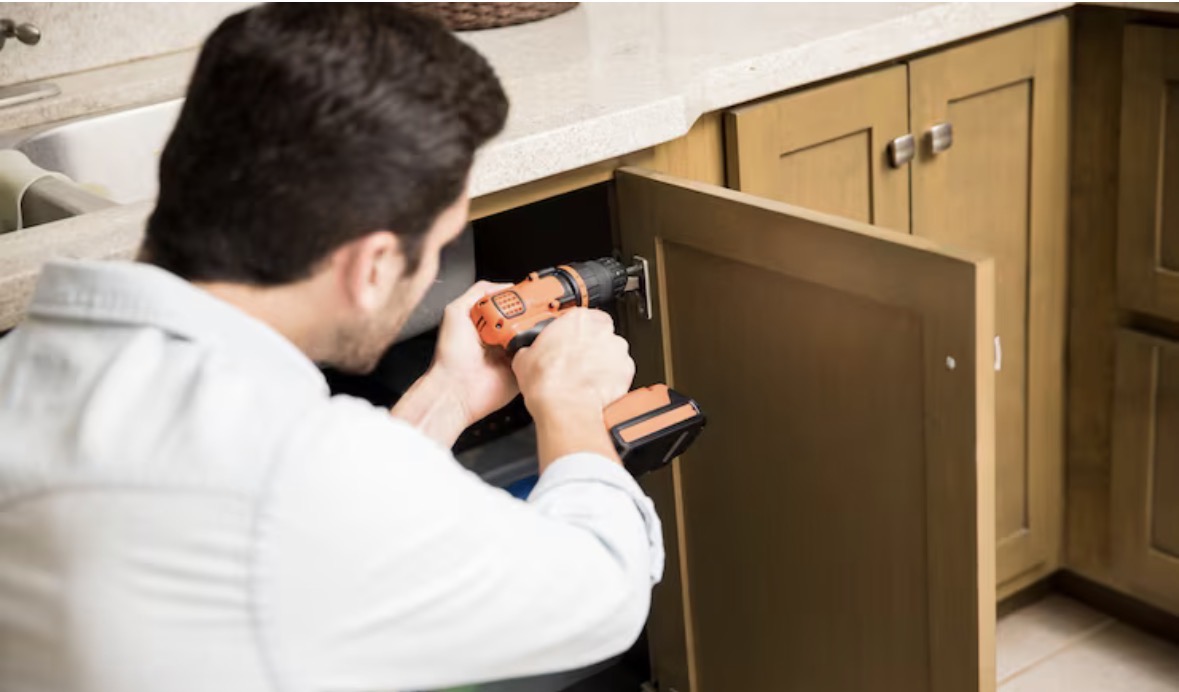
Interior doors are essential structural and aesthetic elements within residential properties, defining interior spaces, providing acoustic privacy, and contributing to climate zoning throughout a home. Beyond basic spatial division, interior door assemblies accommodate frequent daily use, rendering hardware components, hinges, and framing elements susceptible to ongoing physical wear. Over time, factors such as humidity variations, structural building settling, and mechanical impact can compromise door operation, resulting in sticking slabs, latch misalignment, or damaged surfaces. Understanding the nuances of interior door maintenance, component restoration, and material selection allows homeowners to maintain functional passages while preserving interior design continuity.
Functional Significance of Interior Door Infrastructure
Interior doors serve diverse functions beyond acting as basic physical partitions. Their construction, core material, and installation precision directly influence comfort, privacy, and energy management within modern living spaces.
Acoustic Isolation and Noise Reduction
Door construction significantly impacts sound attenuation between rooms. Hollow core doors offer minimal sound damping, making them susceptible to noise transmission across bedrooms, home offices, and living areas. Conversely, solid core composite or solid wood doors absorb low-frequency vibrations, establishing quiet indoor environments necessary for remote work and rest.
Spatial Zoning and Environmental Control
Maintaining separate thermal zones improves residential HVAC efficiency. Properly fitted interior doors equipped with tight frame tolerances prevent conditioned air from leaking into unused utility rooms or basements. This spatial containment allows heating and cooling systems to maintain target temperatures with reduced energy consumption.
Common Operational Issues and Diagnostic Signs
Recognizing structural and mechanical indicators early prevents localized door issues from causing permanent damage to surrounding frames or interior drywall.
Operational Defect
Observable Symptoms
Primary Underlying Cause
Recommended Remedial Action
Door Binding / Dragging
Scuffing along top jamb or floor threshold; physical resistance during closing.
Sagging hinge knuckles, loose screws, or moisture expansion of timber.
Tighten structural hinge fasteners, shim frame, or plane high edges.
Latch Misalignment
Latch bolt fails to engage strike plate pocket without force.
Foundation settling, warped door jambs, or loose strike plate mounting.
Adjust strike plate position, file latch opening, or realign hinges.
Surface Cracking & Dents
Visible puncture marks, hollow core fractures, or veneer peeling.
Physical impact damage, aggressive slamming, or age-related glue breakdown.
Fill small punctures with epoxy compound or replace damaged door slab.
Hinge Squeaking & Stiffness
Loud metallic grinding or binding resistance during panel movement.
Dry hinge pins, oxidation, or misaligned hinge leaf mortises.
Lubricate pins with dry silicone spray or realign mortise depths.
Comparing Interior Door Construction Types
Selecting the correct interior door specification requires evaluating physical weight, sound deadening properties, moisture resistance, and overall budget constraints.
Door Construction
Structural Composition
Performance Characteristics
Ideal Architectural Application
Hollow Core
Honeycomb cardboard interior framed by light timber and thin veneer faces.
Lightweight, economical, susceptible to impact damage, low sound absorption.
Low-traffic areas, linen closets, and temporary partition walls.
Solid Core Composite
Engineered wood or molded mineral core encased in wood veneer or composite skins.
Heavyweight, durable, superior acoustic isolation, warp-resistant.
Bedrooms, home offices, laundry rooms, and high-traffic hallways.
Solid Wood
Natural solid lumber (oak, pine, maple, or walnut) joined via mortise and tenon.
Premium aesthetic, repairable surface, sensitive to humidity shifts.
Traditional homes, main entryways, dining rooms, and study rooms.
Glazed French Doors
Solid wood or composite frame holding single or multi-lite tempered glass panels.
Maximizes natural light flow, offers visual connection between rooms.
Living rooms, formal dining areas, home offices, and sunrooms.
Step-by-Step Restoration and Alignment Workflow
Restoring smooth operation to a binding or misaligned interior door requires systematic diagnostic steps before attempting physical modifications.
Step 1: Hinge Screw and Frame Stabilization
Most door binding issues stem from loose top hinge screws. Over years of use, the upper hinge bears the primary tension weight of the door slab, causing short factory screws to strip out of the soft wood jamb. Replacing standard screws with longer three-inch wood screws drives deep into the underlying wall framing studs, pulling the door jamb back into plumb alignment and eliminating top-edge binding.
Step 2: Strike Plate and Latch Calibration
When a door closes fully but fails to latch shut, the latch bolt is misaligned vertically or horizontally relative to the strike plate opening. Applying chalk or lipstick to the tip of the latch bolt reveals where it contacts the strike plate upon closing. If the misalignment is minor, filing the inner lip of the strike plate restores smooth latch engagement. For larger shifts, the strike plate must be unscrewed, the mortise extended with a chisel, and the plate repositioned.
Step 3: Edge Planing and Clearance Adjustment
If high indoor humidity causes a solid wood door slab to swell and rub against the frame despite plumb hinges, selective planing is required. Technicians mark the contact zones along the door edge, remove the slab from its hinges, and plane minimal wood increments from the lock or hinge stile. The bare wood edge must be sealed promptly with paint or varnish to prevent future moisture absorption.
Property owners planning interior upgrades or replacing damaged room doors can rely on specializedinterior door supply to source matching door slabs, pre-hung frame assemblies, and modern hardware tailored to exact residential architectural specifications.
Sizing Standards and Pre-Hung vs. Slab Selection
When replacing interior doors, selecting between a pre-hung unit and a blank door slab depends on the condition of the existing wall frame.
Pre-Hung Door Assemblies
A pre-hung door includes the door slab pre-attached with hinges to a complete three-sided wood frame, including pre-bored latch holes. Pre-hung units are essential when existing door frames are warped out of square, damaged during wall renovations, or when converting rough framing openings into finished passages.
Blank Door Slabs
A door slab refers exclusively to the unhung door panel without hinges, frames, or handle cutouts. Installing a slab requires transferring exact hinge mortise positions, lockset hole locations, and bevel angles from the old door to the new slab using precise woodworking tools. Slabs are ideal when existing jambs remain perfectly plumb, square, and structurally sound.
Routine Maintenance Guidelines for Interior Door Assemblies
Implementing consistent maintenance extends the functional life of interior hardware and preserves surface finishes:
- Bi-Annual Fastener Audits: Inspect and tighten mounting screws across all door hinges, handle sets, and strike plates to prevent progressive frame sagging.
- Hinge Lubrication: Apply dry silicone or graphite lubricant to hinge pins annually to eliminate squeaks and prevent internal pin friction wear.
- Surface Seal Maintenance: Inspect top and bottom horizontal edges of wooden doors periodically. Ensure paint or clear coat sealers remain intact to block ambient humidity penetration.
- Latch Mechanism Cleaning: Spray contact cleaner into latch bolt cavities to clear trapped dust, following up with a light application of dry lubricant to keep internal springs responsive.
By addressing mechanical shifts early, selecting appropriate core materials, and maintaining precise frame tolerances, property owners ensure interior doors provide smooth operation, privacy, and lasting visual appeal across all living spaces.