
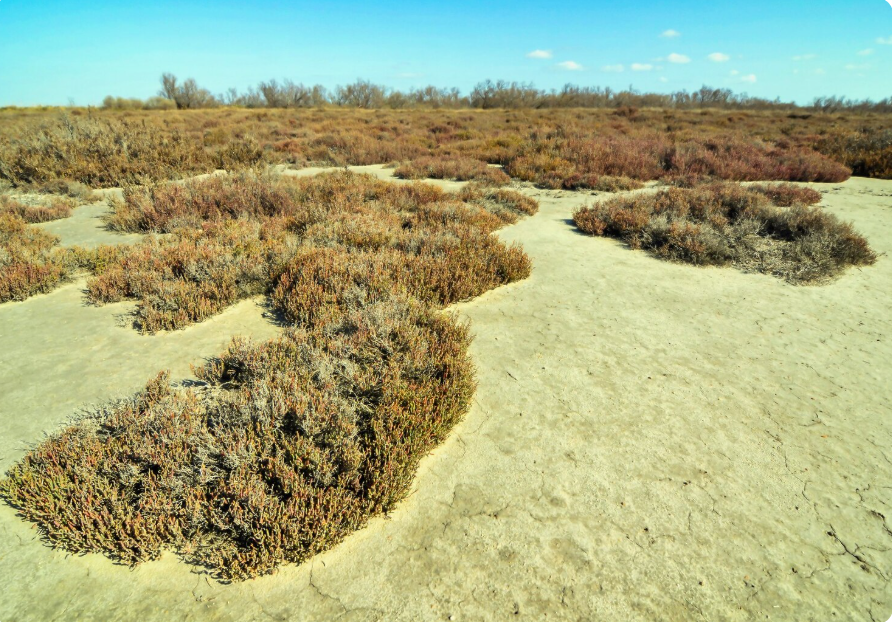
To create a water-saving landscape design for drought-prone areas, focus on xeriscaping by grouping plants with similar water needs and minimizing lawn areas. Choose native plants that require less water and support local wildlife. Implement efficient irrigation systems, such as drip irrigation, to target specific plants, and incorporate hardscaping features, such as stone paths and gravel. Don’t forget to use mulch to retain moisture and improve soil health. Discover more strategies to enhance your drought-resistant garden!
Xeriscaping: Designing for Drought Resilience
When you think about creating a sustainable garden, xeriscaping offers a practical solution for drought-prone areas. This landscaping method focuses on reducing water usage by incorporating design techniques that enhance soil moisture retention.
You can start by grouping plants with similar water needs, minimizing lawn areas, and using mulch to prevent evaporation. Consider using hardscape features like stone paths to limit water loss and create visual interest.
Native Plants: Choosing the Right Flora
Choosing native plants for your landscape not only supports local wildlife but also guarantees your garden thrives with minimal water.
These plants are adapted to your region’s climate, making them more resilient and easier to maintain. Start by researching species native to your area, focusing on those that require little water and attract beneficial pollinators.
Incorporate a mix of grasses, shrubs, and flowering plants to create diverse habitats. Consider plant heights and blooming seasons to maximize visual interest year-round.
Efficient Irrigation Systems: Maximizing Water Use
Integrating native plants into your landscape sets the stage for a more efficient irrigation system.
By selecting drought-tolerant species, you’ll reduce water needs considerably.
Next, consider using drip irrigation or soaker hoses to deliver water directly to the roots, minimizing evaporation.
Smart timers can also help you water only when necessary, ensuring your plants thrive without wasting resources.
Grouping plants with similar water requirements allows for targeted watering, further enhancing efficiency.
Finally, regularly check for leaks and adjust your system as needed to maintain ideal performance.
With these strategies, you’ll maximize water use and create a sustainable, beautiful landscape.
Hardscaping: Incorporating Stone and Gravel
While adding hardscaping elements like stone and gravel can enhance your landscape’s aesthetics, it also plays a vital role in water conservation.
By incorporating these materials, you’ll reduce the need for grass and water-hungry plants. Gravel paths and stone patios create functional spaces that require no irrigation, allowing rainwater to permeate the ground naturally.
Additionally, using stones as borders for planting areas helps define spaces while minimizing erosion. Choose locally sourced materials to support sustainability further.
Ultimately, thoughtful hardscaping not only beautifies your yard but also contributes to a more efficient, drought-tolerant landscape that conserves precious water resources.
Mulching and Soil Health: Retaining Moisture Effectively
Hardscaping sets a strong foundation for your landscape, but to truly maximize water conservation, consider the benefits of mulching and maintaining healthy soil.
Mulch acts as a protective layer, reducing evaporation and keeping soil moist longer. It also suppresses weeds that compete for water. Choose organic mulches like wood chips or straw, as they enrich the soil as they decompose.
Healthy soil, rich in organic matter, retains moisture better and promotes root growth. Regularly amend your soil with compost to enhance its structure.
Frequently Asked Questions
What Are the Benefits of Rainwater Harvesting in Landscape Design?
Rainwater harvesting in landscape design helps you conserve water, reduce utility bills, and enhance your garden’s sustainability.
It also minimizes runoff, supports local ecosystems, and improves soil health, creating a thriving outdoor space.
How Can I Reduce Lawn Size Without Sacrificing Aesthetics?
You can reduce lawn size by incorporating native plants, creating pathways, and adding decorative gravel or mulch.
Mix in beautiful planters and hardscape to maintain aesthetics while minimizing water usage and maintenance.
What Maintenance Practices Help Sustain Drought-Tolerant Landscapes?
To sustain drought-tolerant landscapes, you should mulch regularly, water deeply but infrequently, prune judiciously, and monitor for pests.
These practices not only conserve water but also enhance the health and beauty of your garden.
Are There Landscape Designs That Attract Pollinators in Dry Regions?
Yes, you can create landscapes that attract pollinators in dry regions by incorporating native plants, using diverse flower shapes and colors, and providing water sources like shallow dishes or small ponds to support their needs.
How Do Climate Changes Impact Water-Saving Landscape Strategies?
Climate change forces you to adapt water-saving strategies, making it essential to choose drought-resistant plants and utilize efficient irrigation techniques.
You’ll need to monitor weather patterns and adjust your landscape to maximize water conservation.
Conclusion
By embracing these top water-saving landscape designs, you can create a beautiful, sustainable oasis in your drought-prone area. Xeriscaping and native plants not only enhance your garden’s appeal but also significantly reduce water usage. With efficient irrigation and smart hardscaping choices, you’ll maximize your resources. Don’t forget about mulching to keep your soil healthy and moisture-retentive. By implementing these strategies, you’ll contribute to a greener planet while enjoying a thriving landscape.